
The Story Behind the Legend: Synetic’s Sleepy Hollow
Nate Weinberger, October 22nd, 2026
Photography by Teresa Castracane
I’ve always loved a good backstory. Better yet, a secret history. The kind that makes you look at something familiar and wonder: What if the story we all know is only the version that survived?
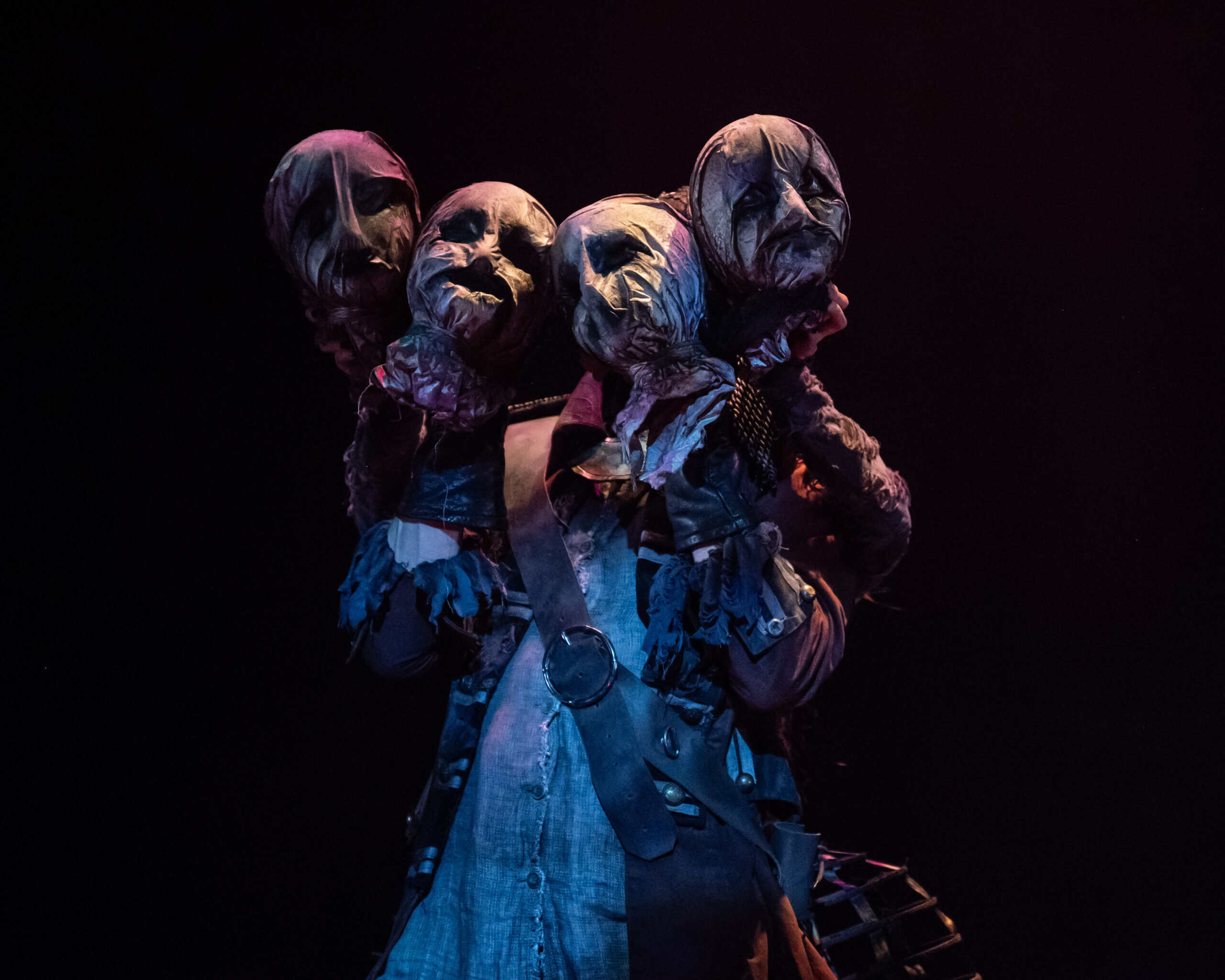
That’s what intrigued me about Washington Irving’s The Legend of Sleepy Hollow, one of the great works of American short fiction, and certainly one of the most iconic. What’s particularly fascinating to me is how much of it is rooted in reality. Sleepy Hollow is a real place, of course. The Old Dutch Church is real, as are many of the local family names Irving borrowed for his characters. A “Catriena Van Tassel” is buried in the churchyard (not far from Irving himself). There really was an Ichabod Crane—though he wasn’t a schoolteacher; he was an U.S. Army officer Irving met during the War of 1812—and the story of a headless rider grew out of real Revolutionary lore, when a decapitated Hessian soldier was discovered after the Battle of White Plains, which took place just outside the Sleepy Hollow-Tarrytown area in 1776. Irving took actual people, places, history, and local folklore and transformed them into something immortal.
And he clearly loved the place. He eventually settled in the Hudson Valley, near the very landscape he made famous, and lived out his life there. That affection comes through in every sentence. His story is so rich in atmosphere and detail that you can practically hear the sounds, smell the autumn air, and taste the food. (And what food! Jesus, Irving devotes so much attention to describing it that it’s hard not to get hungry and you’d swear he was being paid by the word.) It’s wonderfully picturesque, almost intoxicatingly so. But for all that texture, much of the actual action is saved for the very end, when the Headless Horseman finally comes thundering into view.
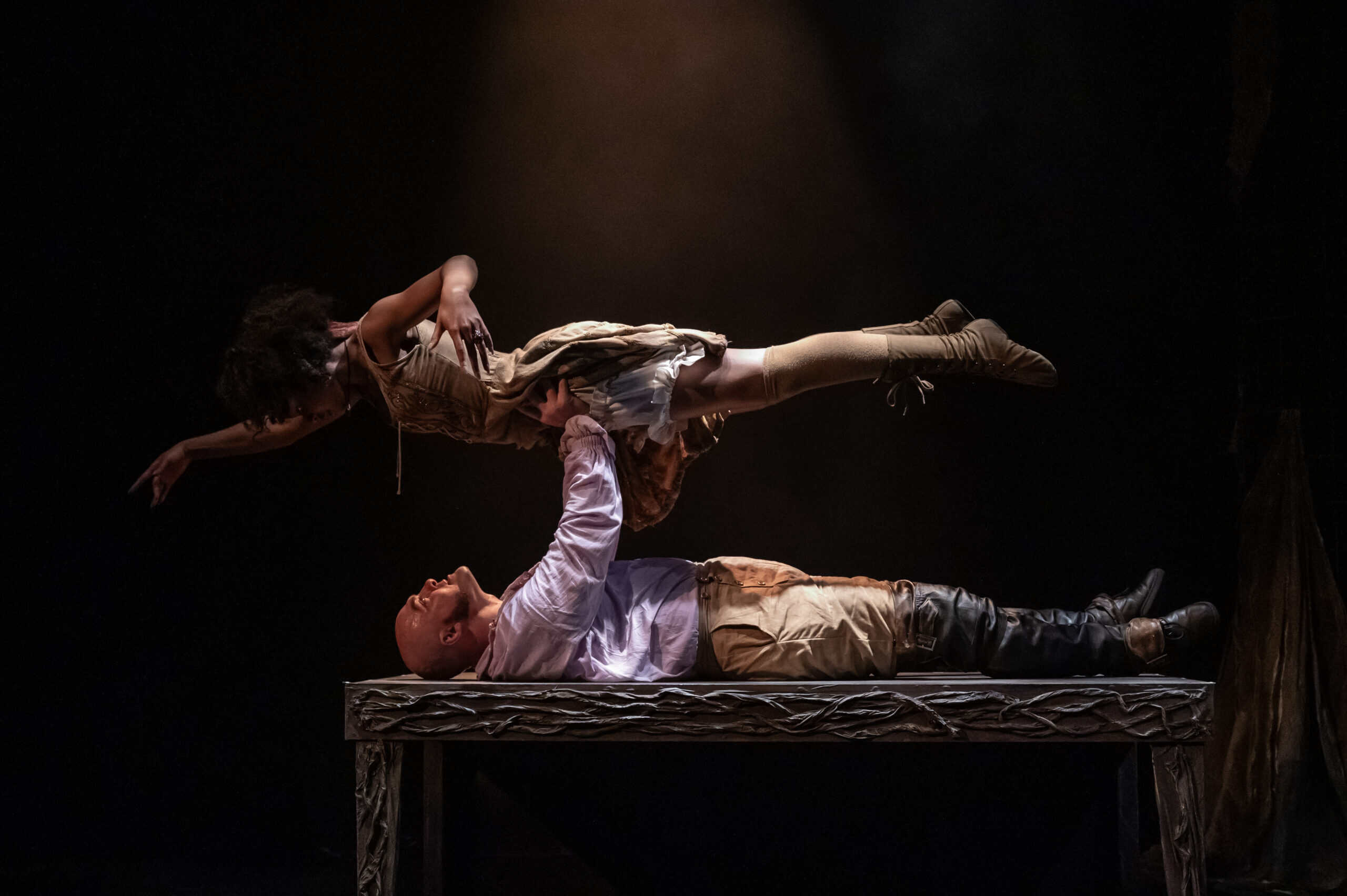
For Synetic’s Sleepy Hollow, rooted so deeply in real people and places, we wanted to explore what might lie beneath that familiar story—and give it a little more action along the way. My idea was to invent, under the umbrella of fiction, a possible “true” history behind Irving’s legend. We all know the story as it’s come down to us. But what if it were real and had changed through telling and retelling, as legends inevitably do, with identities confused, deeds misattributed, and entirely different people gradually conflated into one?
In our version, for instance, Ichabod and Brom essentially exchange places. Katrina is not simply the wealthy farmer’s daughter, but a formidable woman in her own right, running the local tavern and married to Ichabod. And our Horseman is no longer just a faceless monster—literally or figuratively. He has a life, a past, and motivations of his own. So does his Horse. You really can’t explore one without examining the other: they’re two sides of the same coin, linked by a shared, fused name and identity. In fact, what began in our development process as a more generalized spirit of the forest evolved into the spirit, or soul, of the Horse itself, inseparable from its rider. He spurs her on, in a literal sense, and when necessary, she does the same for him.
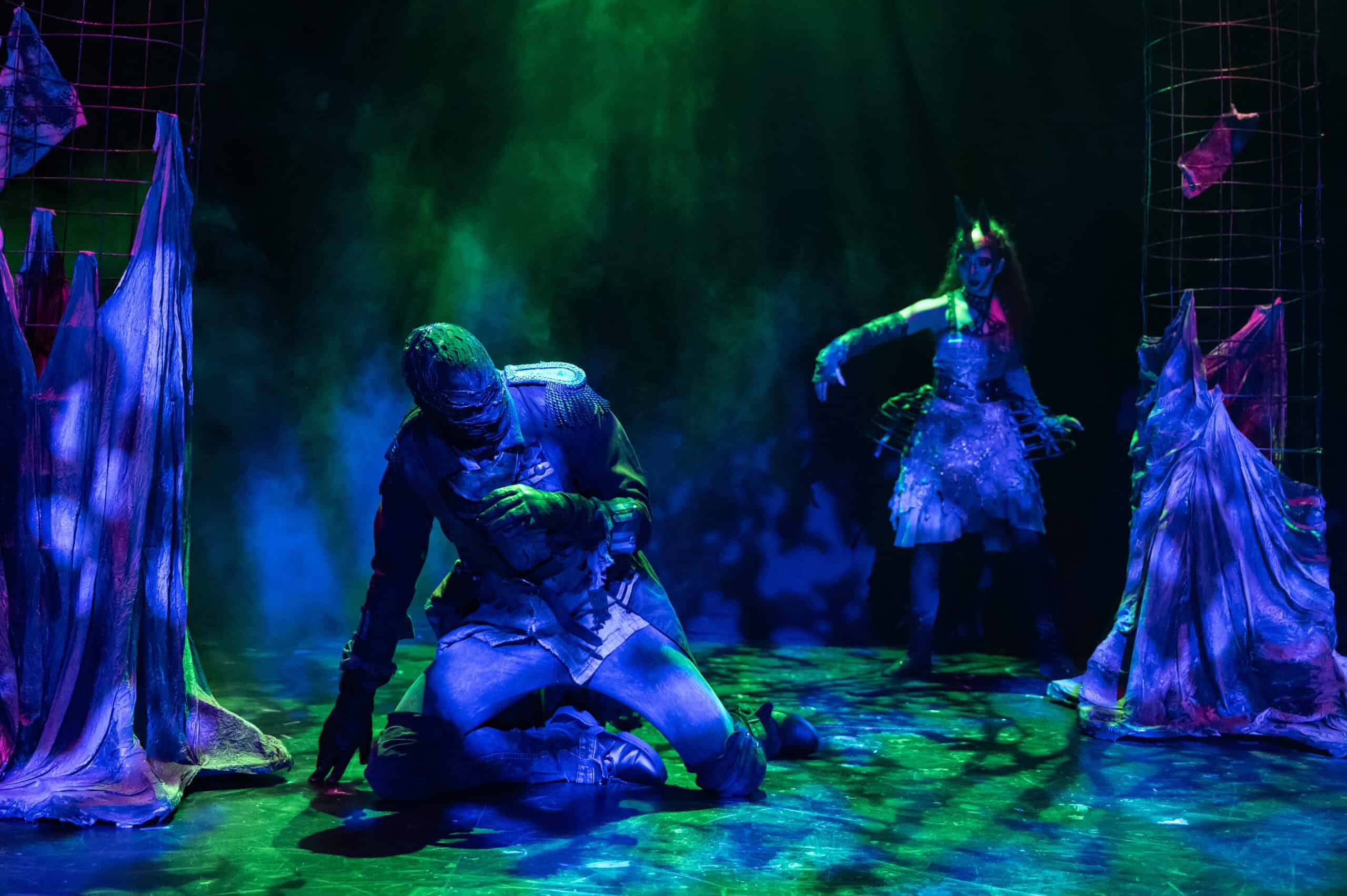
We also made this a story about war, and what war does to people. Any war. Even the American Revolution, which we generally regard as a “good” war, was filled with cruelty, brutality, and moral compromise on all sides. War has a way of revealing people’s true natures, often exposing the uglier realities beneath our comforting stories of heroism and glory. Simply put, not even the Revolution was all Washington Crossing the Delaware, and when Washington did cross the Delaware, it wasn’t how looked in the painting. Not even a little bit.
This feels particularly relevant as America marks its 250th anniversary and we find ourselves reexamining who we are, where we came from, and the stories we’ve told about ourselves. Sleepy Hollow is a quintessential American legend, rooted in the Revolution and in the mythology of our founding. Reimagining it offers an opportunity to explore how myths are created, how history gets distorted, and how easily uncomfortable truths can disappear beneath a more appealing narrative. The past, for all its genuinely great deeds and accomplishments and true heroes, is rarely as tidy or heroic as we would like to believe.
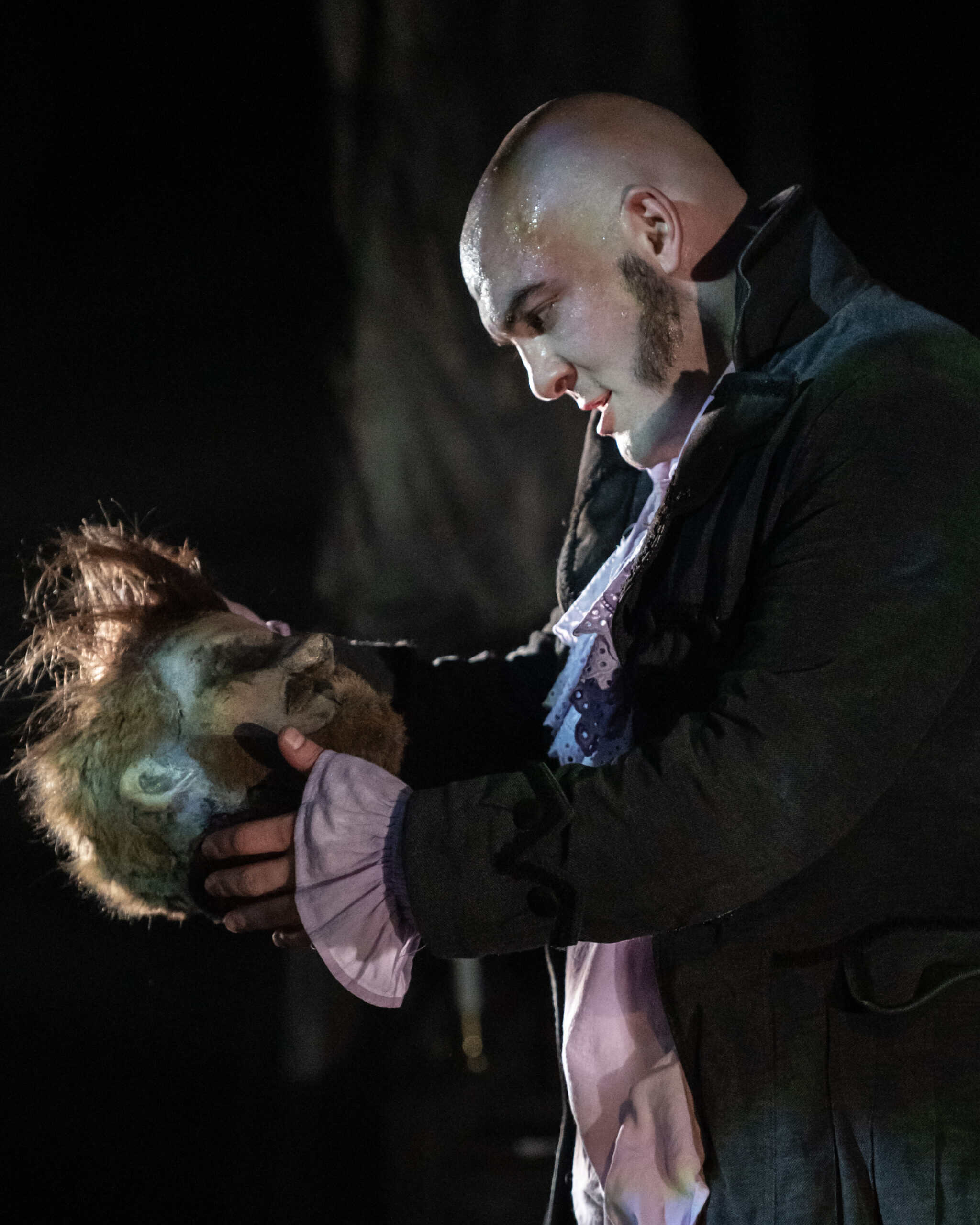
There’s one final detail I find especially intriguing. Irving’s original Ichabod is highly imaginative, excitable, and suggestible—more inclined to run from danger than confront it, especially compared with the brawling, swaggering Brom Bones. Appropriately, his unusual name comes from the Hebrew for “without glory,” or “the glory has departed.” In our version, that name takes on a very different, and perhaps deeper, significance. Because when the supposedly glorious figure is finally revealed for what he really is, we begin to question what glory means in the first place.
And maybe that’s the real power of revisiting a legend: not simply to tell the familiar story differently, but to ask why we’ve been telling it that way all along.
— Nate Weinberger, Dramaturg & Adaptation